Personality · Percentiles · Population
The Big Five Aspects Scale
A scroll through five traits, ten aspects, bell curves, population benchmarks, and the stories behind the scores — built from Jordan Peterson’s Big Ten model.
About the Test
OCEAN at a glance — what the facets mean, where to take it, and how to read a percentile score.
Take the test
The Big Five (OCEAN) is the personality framework that psychologists reach for by default — developed in the 1980s and refined ever since. These results use the Big Ten aspects model: each of the five traits split into two measurable facets - the literature talks in scales of 2, 5 (default model), 10 or 30 aspect levels of detail.
I took Jordan Peterson’s version of the test on Understand Myself (~$10) — gives you a 5,000 word explanation of your results, it keeps your scores via a login, pairs you with your partner for a joint report, and allows you to compare population averages to everyone else who has done the report. Free alternatives exist everywhere, but they usually cover the Big Five only, not the Big Ten aspects split and usually don’t explain the results. Or explain just the main traits in general and not how the traits work specifically for you — Understand Myself makes you actually understand how the traits affect your personality. I find the ten-facet model more explanatory of personality too than the five. But the social scientist Jonathan Haidt’s YourMorals is a solid free Big Five option after the first questionnaire if you want to try something without paying.
Reading your results
Five broad domains, two aspects each. A higher percentile means you score higher on that facet than most people on Understand Myself; lower means you score lower — not absent, just where you sit on the scale. Write-ups run from Exceptionally High down to Exceptionally Low.
Exceptionally High
Very High
High
Average
Low
Very Low
Exceptionally Low
Understand Myself also benchmarks you against everyone else who has taken the test — men’s mean, women’s mean, and the full pool.
Correlation diagram Tap to expand
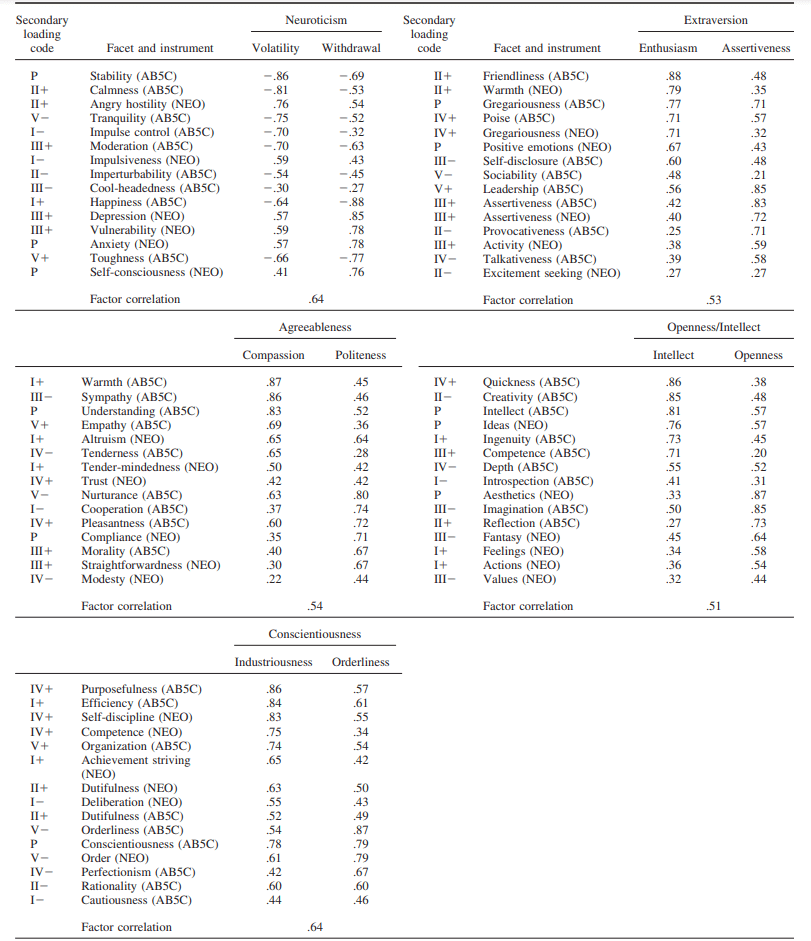
1.0 = 100% correlation, 0.7 = 70% correlation, and so on. −1.0 would be an equally strong inverse tie — gain one, lose the other.
My Results
Percentile scores from Understand Myself. Watch the bars fill and curves bloom as each trait comes into view — then unfold what each score means.




Combinations
Cross-trait OCEAN pairs — what shows up when domains meet, not just facets within one letter.
O + C + A
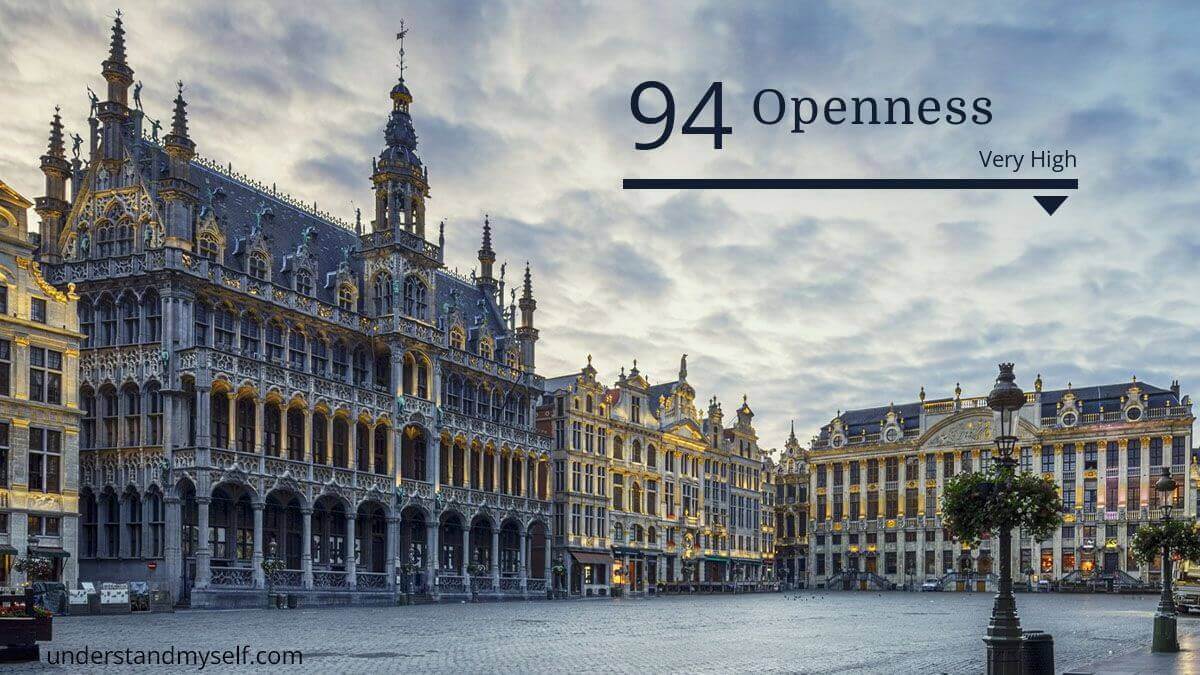
Openness 94th
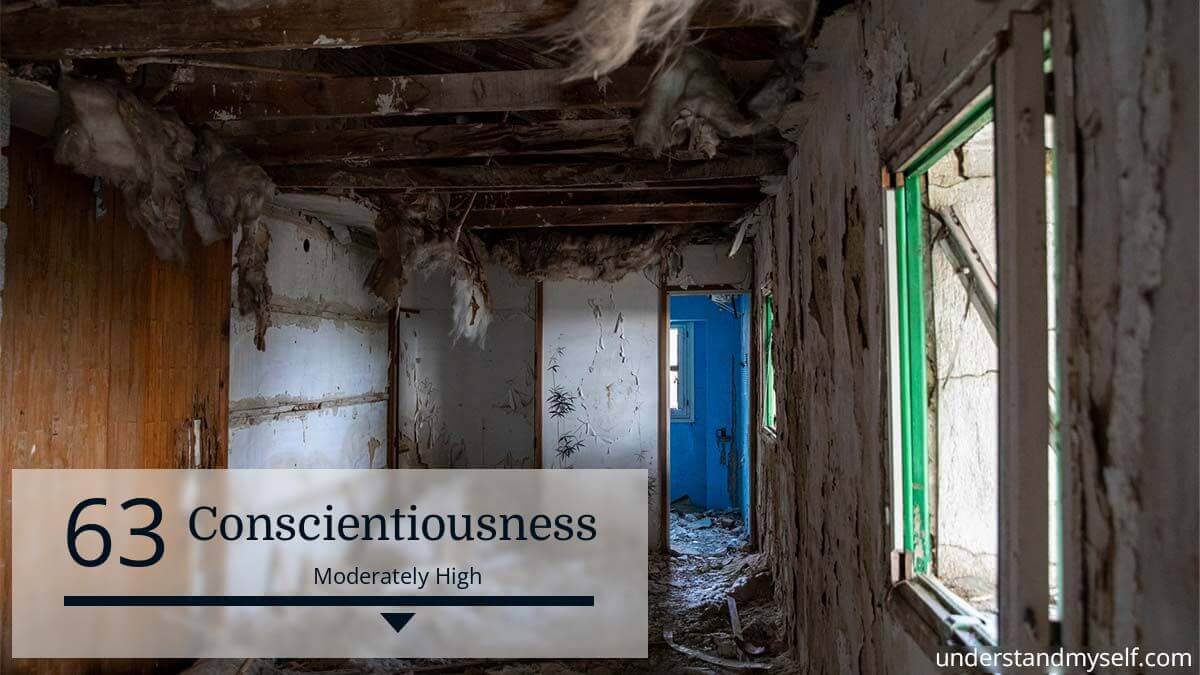
Conscientiousness 63rd
Agreeableness 20th
High entrepreneurial ability ↗ — stems from a mix of high openness, high conscientiousness, and low agreeableness.
O + E
Intellect 94th
Aesthetics 84th
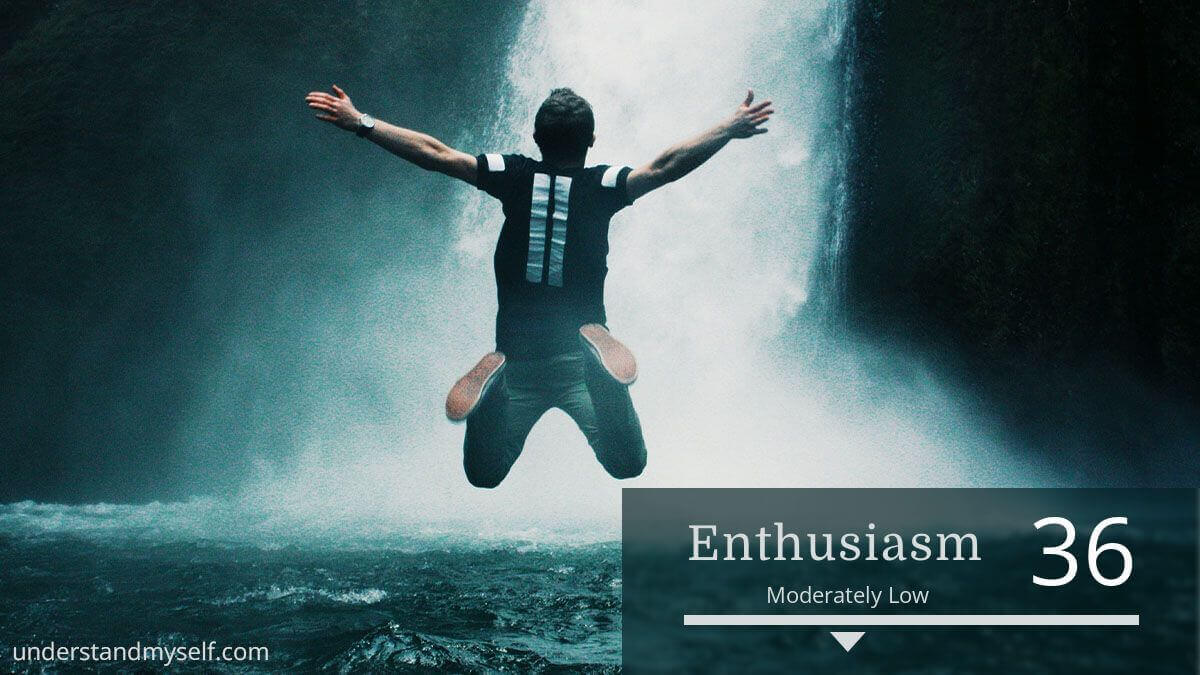
Enthusiasm 36th
Is not motivated by happiness — but by the thirst for knowledge and new ideas. Driven by creativity, not by cheer or gregarious warmth.
O + A
Openness 94th
Politeness 7th
Compassion 48th
Intellect 94th
Will sacrifice social niceties in the pursuit of knowledge — may not disregard your feelings, but will disregard social norms and commit faux pas to gain data.
E · A · N · O · E
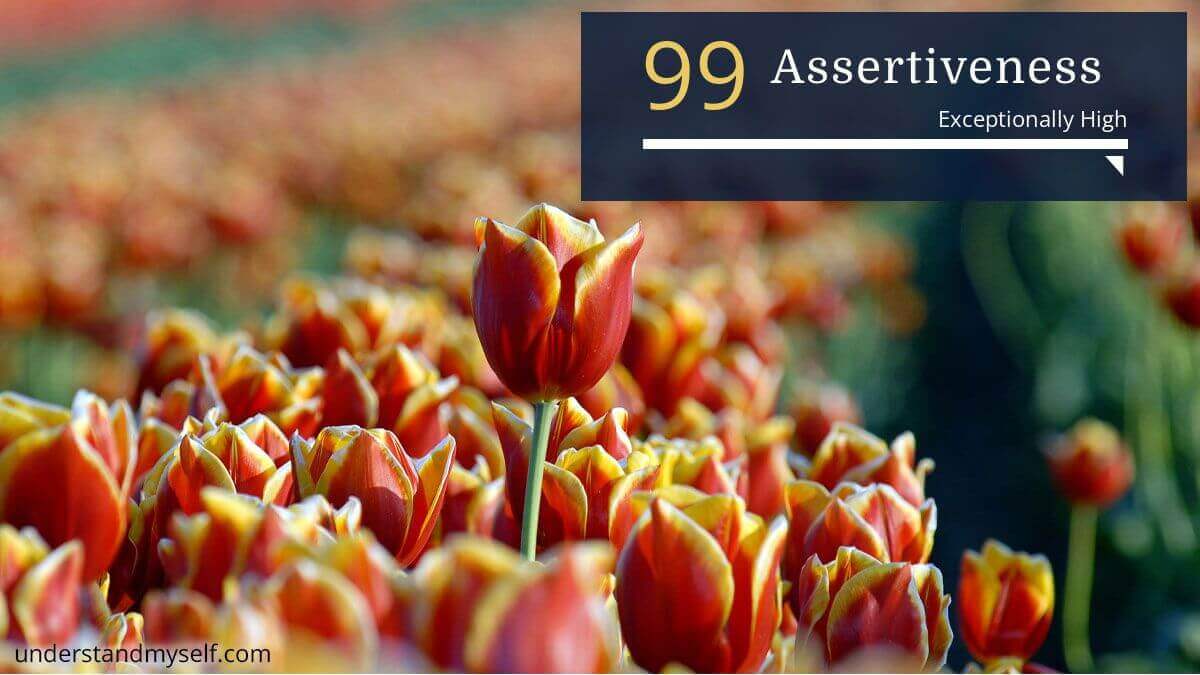
Assertiveness 99th
Politeness 7th
Withdrawal 31st
Intellect 94th
Enthusiasm 36th
Has faith in their ideas and won’t back down for authority — speaks up even when it’s personally uncomfortable to do so.
C + E
Industriousness 88th
Enthusiasm 36th
Will work hard even when there’s little personal joy in the task itself — duty and focus over mood.
O + N + C
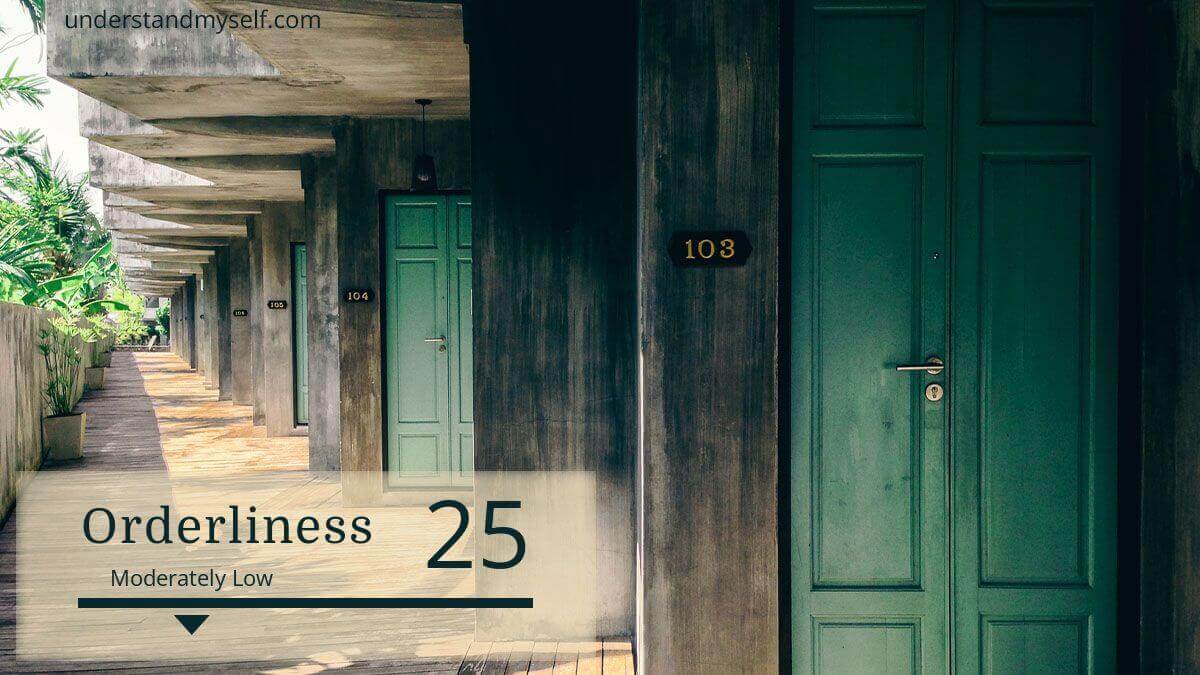
Orderliness 25th
Intellect 94th
Aesthetics 84th
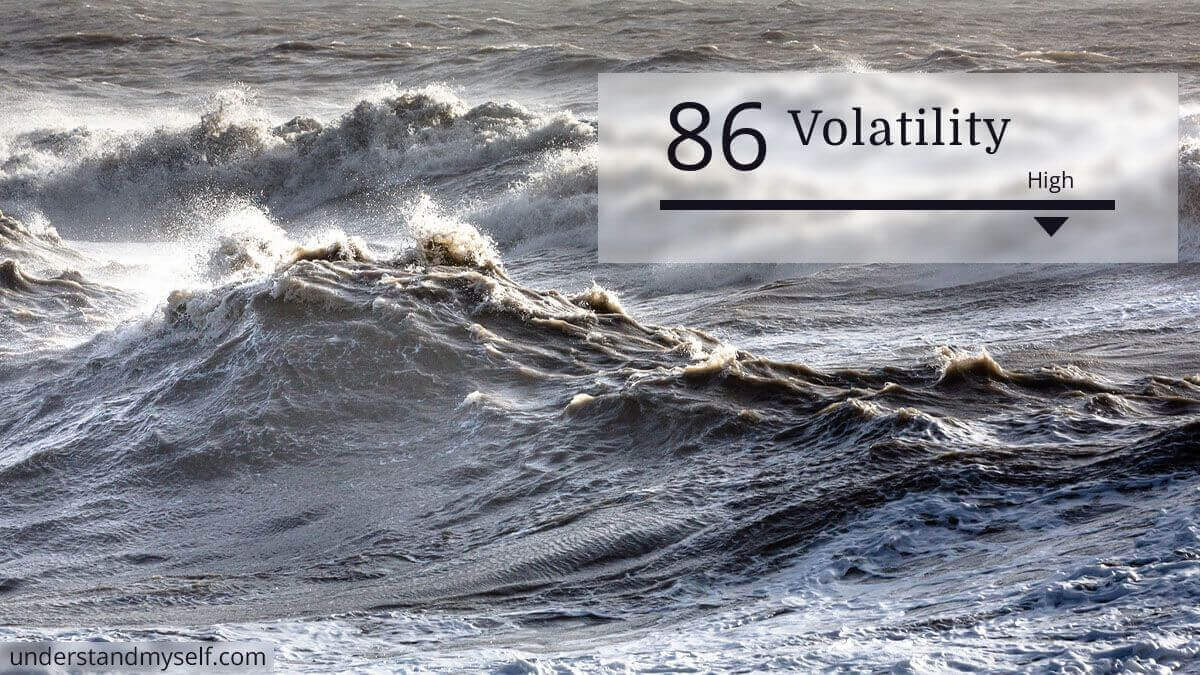
Volatility 86th
Creativity without restriction — Neuroticism is correlated to high artistic output ↗, alongside the default trait Openness — and limiting Orderliness which is known to restrict creativity ↗.
Videos
Clips on traits that match these results. Embedded with start and end timestamps — if you open the video into a new tab the end timer won’t apply.
Mix of Traits
1 minute
High Entrepreneurial Ability
Openness 94th
Conscientiousness 63rd
Industriousness 88th
Agreeableness 20th
Politeness 7th
Openness to Experience
1 minute
Intellect vs Openness (aesthetics)
Intellect 94th
Aesthetics 84th
Orderliness
2 minutes
High in Conscientiousness (orderliness vs creativity)
Openness 94th
Orderliness 25th
Disagreeableness
3 minutes
Female with low Politeness
Politeness 7th
Industriousness
4 minutes
Personalities of Compatible and Incompatible People: Industrious People
Industriousness 88th
Industriousness
5 minutes
The Mystery of High IQ and Industriousness
Industriousness 88th
Openness to Experience
6 minutes
Entrepreneurial Creative People
Openness 94th
Orderliness 25th
Assertiveness
5 minutes
99th Percentile Assertiveness
Assertiveness 99th
Openness to Experience
4 minutes
Intellect versus Openness
Intellect 94th
Aesthetics 84th
Openness to Experience
8 minutes
Intellect and Openness (Aesthetics)
Intellect 94th
Aesthetics 84th
Disagreeableness
6 minutes
Differences in Agreeableness
Agreeableness 20th
Compassion 48th
Politeness 7th
Disagreeableness
6 minutes
Differences in Agreeableness
Agreeableness 20th
Compassion 48th
Politeness 7th
Bonus
Openness scores lined up against family and site averages.
Openness to Experience Comparison
Mother
Women Mean
Father
Men Mean